
Why we still rely on classic tube microphones from the 50s and 60s to capture the most intimate vocal performances.
In an age of ultra-clean digital converters, AI-assisted mastering, and pristine plug-ins that promise perfection, it’s almost poetic that many of the most powerful vocal recordings are still captured through microphones designed more than half a century ago.
Step into any high-end studio today and you’ll likely see a Neumann U47, a Telefunken ELA M 251, or an AKG C12 sitting proudly in the locker. These aren’t museum pieces. They’re frontline tools.
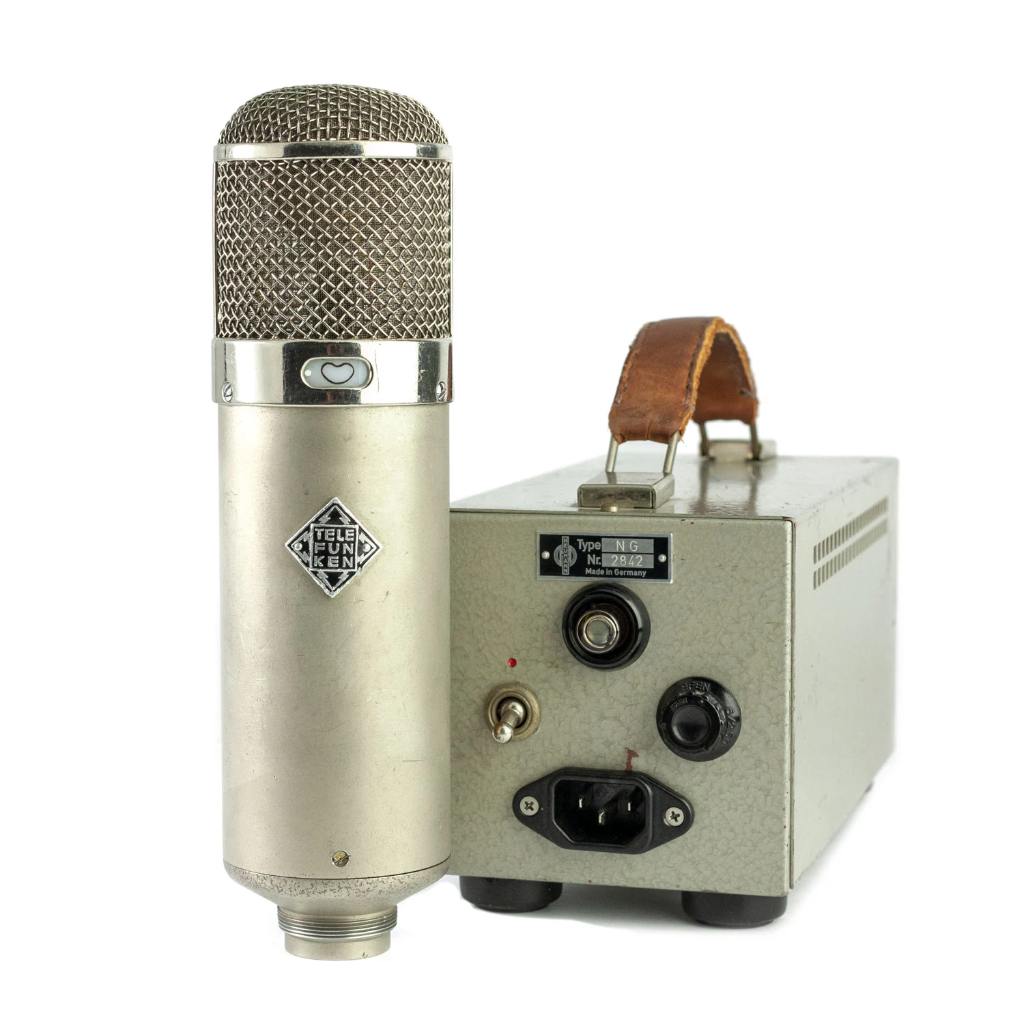
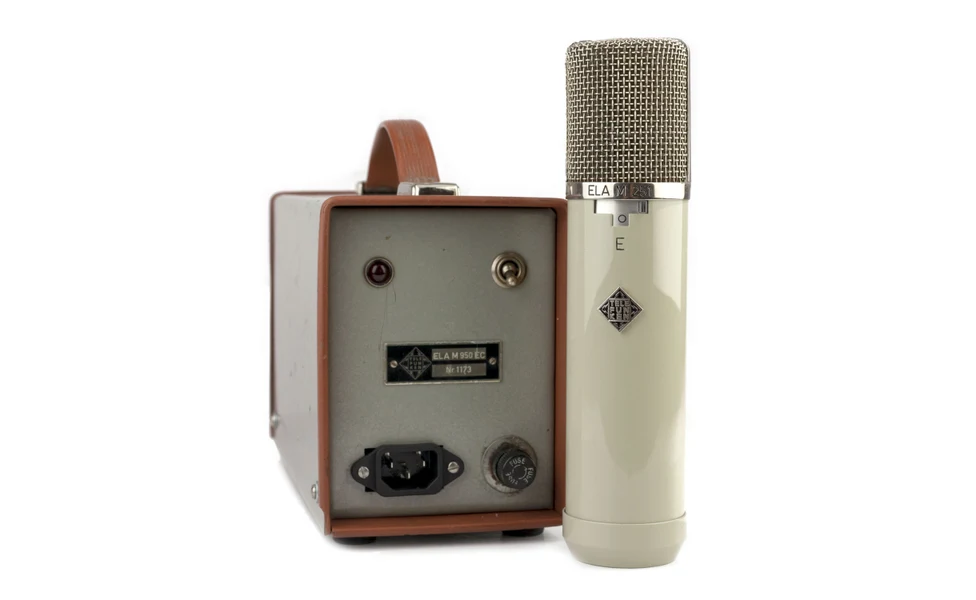
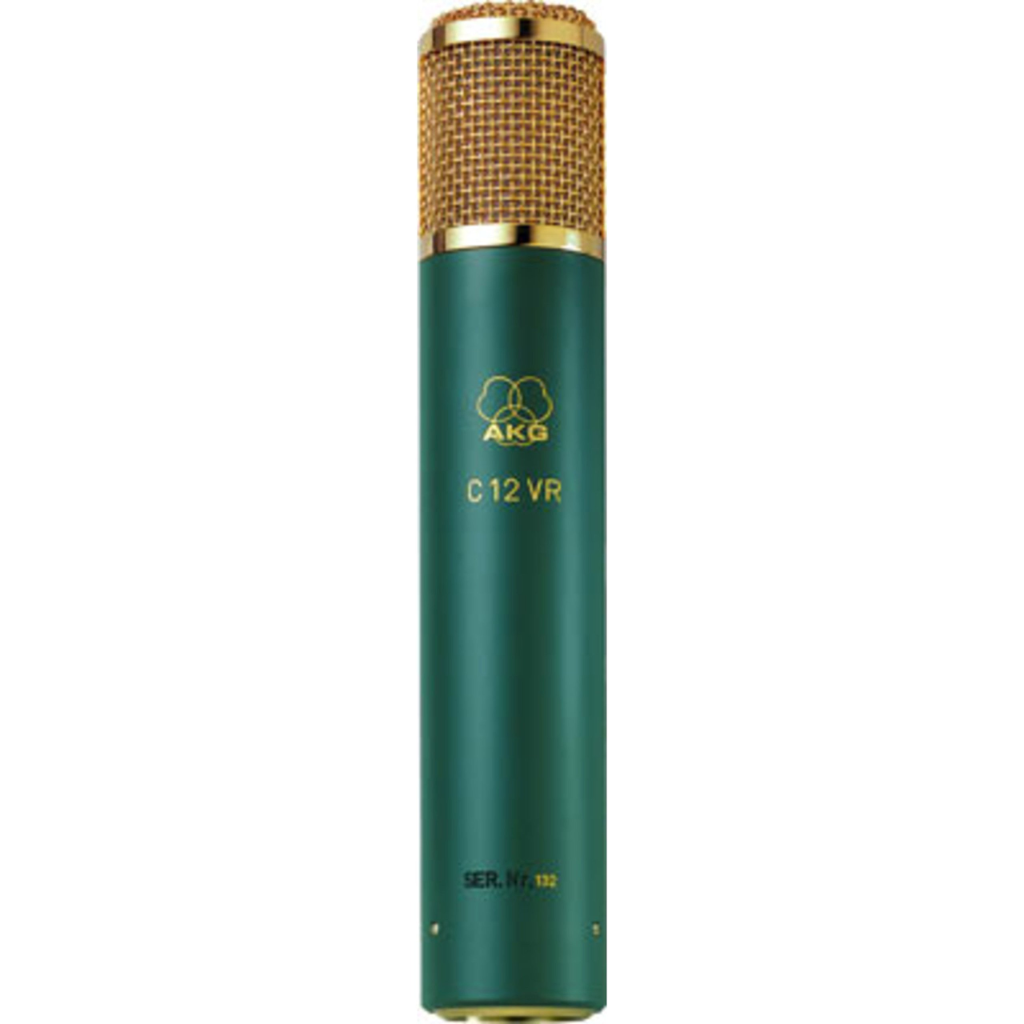
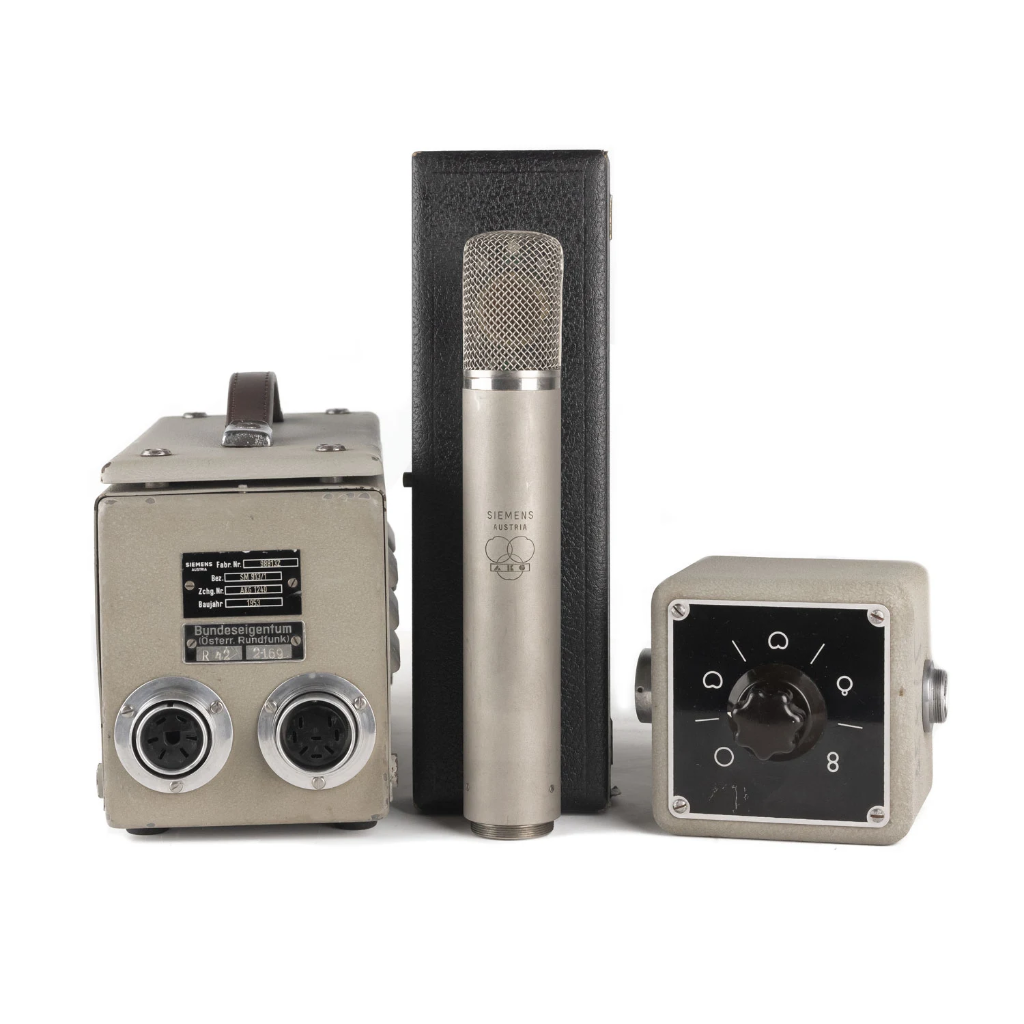
The question is simple: Why, in 2026, are we still trusting 1950s and 1960s tube microphones to capture the most intimate human moments?
The answer is not nostalgia. It’s physics, psychology, and soul.
1. Tube Saturation: Imperfection That Feels Human
Classic tube microphones use vacuum tubes instead of solid-state circuitry. Tubes introduce subtle harmonic distortion — especially even-order harmonics — that our ears interpret as warmth, fullness, and musicality.
When a vocalist leans into a whisper or pushes into a crescendo, a tube mic doesn’t just record it. It responds.
- It slightly compresses peaks.
- It softens harsh transients.
- It wraps the voice in harmonic richness.
That gentle saturation creates emotional depth that feels closer to the listener — almost like the voice is breathing in the room. For intimate performances — love songs, confessions, prayers, soul records — that warmth is irreplaceable.
2. The Midrange Magic
Human emotion lives in the midrange. The 1950s and 60s were the golden era of vocal recording. Engineers were designing microphones primarily to capture voices, orchestras, and live rooms — not hyped pop brightness.
Classic tube mics have a naturally forward midrange that:
- Brings breath and texture forward
- Makes consonants feel present without harshness
- Preserves chest resonance and vulnerability
Modern microphones can be ultra-accurate. But accuracy isn’t always intimacy. Tube microphones sculpt the midrange in a way that flatters humanity.
3. Dynamic Interaction with the Performer
There’s something intangible that happens when an artist stands in front of a vintage tube mic. The microphone becomes an instrument.
These mics are sensitive. They reward mic technique. Lean in, and the proximity effect blooms. Pull back, and the room breathes in. Artists feel this interaction. It changes performances.
Many legendary vocal takes weren’t just about talent — they were about the way the microphone reacted to the voice. A great tube mic doesn’t just capture a performance. It co-creates it.
4. They Were Built for Emotion, Not Convenience
In the 50s and 60s, music wasn’t designed for algorithms. It was designed for impact. Microphones from that era were engineered with fewer compromises:
- Hand-assembled capsules
- High-quality transformers
- Premium tubes
- Intentional design for musical coloration
Today’s mass production prioritizes consistency and cost efficiency. Vintage microphones were often built like instruments — each one slightly unique. That uniqueness is part of the magic.
5. Psychological Weight and Performance Energy
When a vocalist sees a classic U47 in front of them, they feel history. They know legends sang into it. That psychological weight elevates performances.
Artists stand taller. They commit harder. They sing like it matters. And intimacy is about commitment.
6. Digital Hasn’t Replaced Emotion
Digital recording has given us clarity beyond imagination. But clarity is not always the goal. The most intimate vocal performances require texture, breath, fragility, warmth, and a sense of “being there”.
Classic tube microphones naturally deliver those qualities before the signal even touches a preamp or plugin. You can emulate saturation. You can emulate EQ curves. You can emulate noise.
But the interaction between tube circuitry, capsule design, transformer behavior, and human voice is complex and organic. It’s alive. And alive feels real.
7. Why This Still Matters Today
In modern production — especially in high-level music environments like what you’re building with PIKLIZ RECORD and Sound Kinesis — vocal identity is everything.
An intimate vocal can:
- Define a legacy album
- Create replay value
- Anchor a cinematic sonic direction
- Separate timeless from trendy
If the vocal doesn’t feel emotionally honest, nothing else matters. Classic tube microphones remain trusted because they consistently help artists deliver emotionally honest performances.
The Truth
We still rely on 50s and 60s tube microphones not because we are stuck in the past… But because they capture something modern technology still struggles to replicate:
- Human warmth under pressure.
- Imperfection with intention.
- Emotion in its rawest form.
They don’t just record sound. They record soul.